
As a parent, you want to keep your child’s smile healthy and bright, but knowing what to watch for can feel overwhelming. Recognizing the signs of tooth decay in children early helps you address problems before they become painful or require extensive treatment. Many parents assume tooth decay always starts with obvious symptoms like severe pain, but the reality is that early warning signs are often subtle and easy to miss. Understanding what to look for empowers you to take action quickly, protecting your child from discomfort and more complicated dental procedures down the road.
What Are the Early Signs of Tooth Decay in Children?
The earliest indicators of tooth decay often appear long before your child complains of pain. These initial warning signs can save you from dealing with more serious problems later if you know what to watch for.
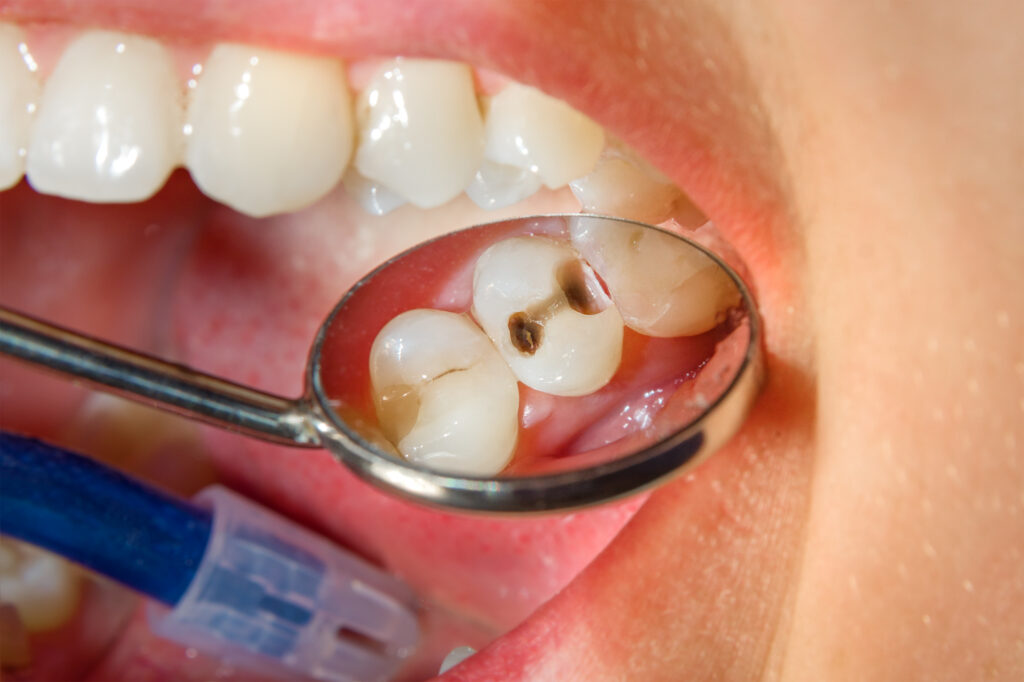
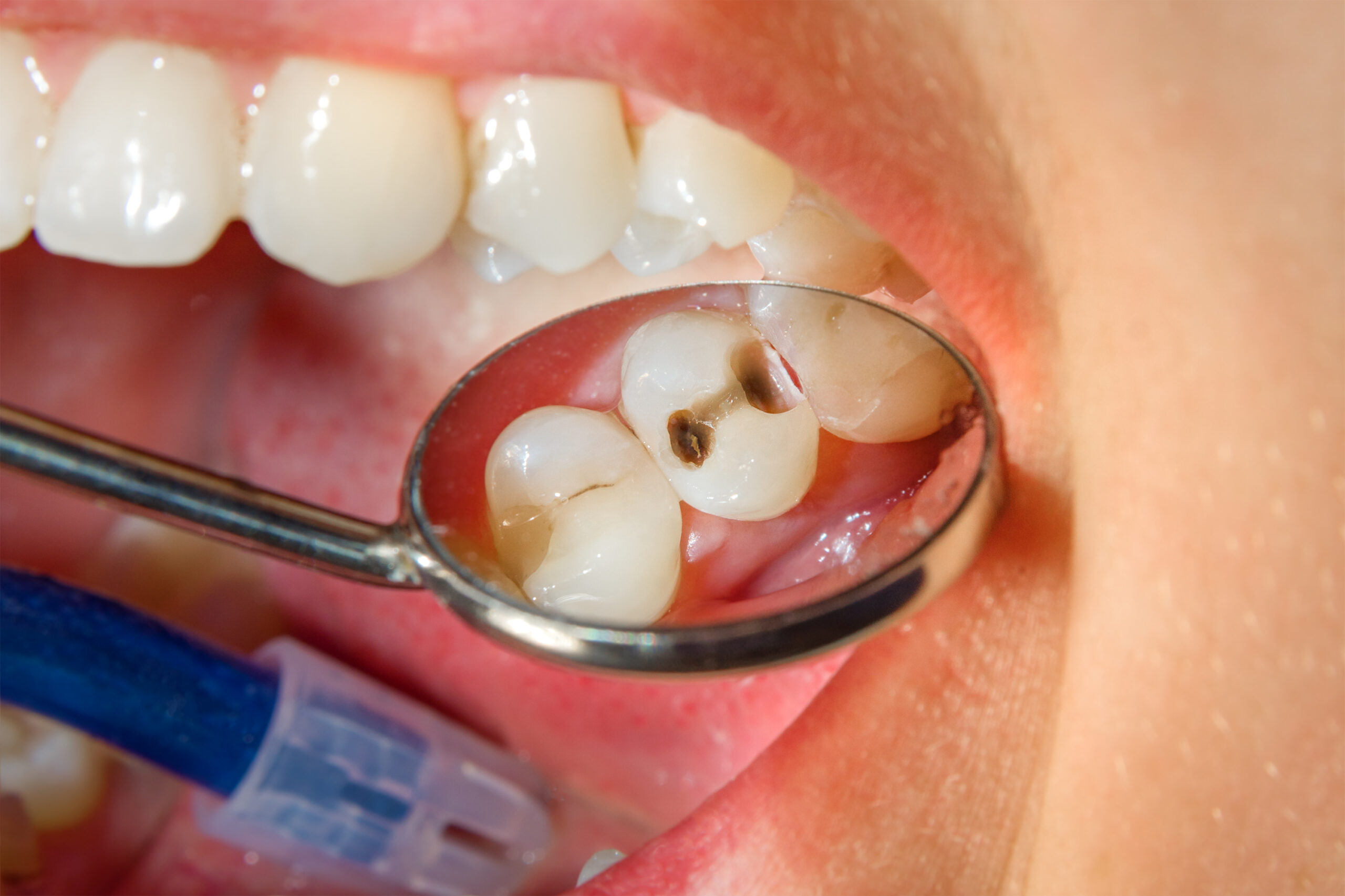
Visual Changes on Teeth
- White spots or chalky areas on teeth, particularly near the gum line
- Brown or black spots that appear after white spots have been present
- Visible pits or holes in the tooth surface, especially on the chewing surfaces
- Rough or jagged edges where enamel has begun to break down
Behavioral and Physical Symptoms
Your child’s behavior and complaints can also signal developing tooth decay:
- Sensitivity to temperature – wincing when eating cold ice cream or drinking cold water
- Sensitivity to sweet foods – avoiding candy or complaining when eating sugary treats
- Persistent bad breath that doesn’t improve with regular brushing
- Favoring one side while chewing or eating
- Complaints of toothaches or general mouth discomfort
Gum-Related Warning Signs
Don’t overlook changes in your child’s gums, as they often accompany tooth decay:
- Bleeding gums during brushing or flossing
- Swollen or red gum tissue around specific teeth
- Gums that appear to be pulling away from teeth
Why Early Detection Matters for Your Child
Catching signs of tooth decay in children quickly makes an enormous difference in treatment outcomes and your child’s overall experience. Baby teeth have thinner enamel than adult teeth, which means decay can progress rapidly once it starts. What begins as a tiny white spot can quickly become a cavity that reaches the tooth’s nerve, causing significant pain and requiring more extensive treatment.
When tooth decay is identified early, treatment options are typically simpler, less invasive, and more comfortable for children. Early intervention might involve preventive measures like fluoride treatments or minor procedures that can be completed quickly. However, when decay progresses undetected, children may need more complex treatments that require longer appointments and can create dental anxiety.
Beyond the immediate dental concerns, untreated tooth decay can affect your child’s eating habits, speech development, and overall confidence. Children with painful teeth may avoid certain foods, leading to nutritional concerns. They might also become self-conscious about their smile or develop speech impediments if decay affects their front teeth.
Understanding What Causes Tooth Decay
To better recognize warning signs, it helps to understand how tooth decay develops in children’s mouths. The process begins when bacteria in the mouth feed on sugars and starches from food and drinks, producing acid that attacks tooth enamel.
Several factors make children particularly susceptible to tooth decay. Frequent snacking, especially on sugary or starchy foods, provides constant fuel for harmful bacteria. Sippy cups and bottles filled with juice, milk, or formula can bathe teeth in sugars for extended periods, particularly problematic during naps or bedtime.
Children’s developing motor skills also play a role. Young children often struggle with thorough brushing and flossing, leaving food particles and bacteria in hard-to-reach places. Additionally, some children naturally produce less saliva, which normally helps neutralize acid and wash away food particles.
The Role of Professional Care in Prevention
Regular dental visits play a crucial role in identifying early warning signs that parents might miss. Dr. Daniel Johnson and Dr. Adam Parker use specialized tools and techniques to detect decay in its earliest stages, often before it’s visible to the naked eye.
Professional cleanings remove plaque and bacteria buildup that regular brushing might miss, while fluoride treatments provide additional protection against acid attacks. Dental sealants offer another layer of defense, particularly for back teeth with deep grooves where food particles often get trapped.
During routine visits, our team also evaluates your child’s brushing technique and provides personalized guidance for improving their daily oral care routine. We can identify areas where your child might need extra attention and suggest modifications to make brushing more effective.
Creating Positive Dental Experiences
We understand that discussing potential dental problems can create anxiety for both parents and children. Our approach focuses on education and prevention rather than fear-based messaging. By helping families understand what to look for and how to prevent problems, we empower parents to take an active role in their child’s oral health.
Our Central Austin location provides comprehensive pediatric dentistry services designed to keep children comfortable while addressing their dental needs. We believe that positive early experiences with dental care set the foundation for a lifetime of good oral health habits.
Practical Steps for Home Monitoring
Between dental visits, parents can actively monitor their child’s oral health by incorporating simple checks into daily routines. During bath time or bedtime brushing, take a moment to look at your child’s teeth in good light. Notice any changes in color, texture, or your child’s comfort level while eating different foods.
Keep a mental note of any complaints about tooth sensitivity or pain, even if they seem minor. Children sometimes minimize discomfort or may not articulate their symptoms clearly, so paying attention to behavioral changes around eating or drinking can provide valuable clues.
The Importance of Preventive Care
Prevention remains the most effective approach to avoiding tooth decay in children. Establishing consistent brushing and flossing routines, limiting sugary snacks and drinks, and scheduling regular dental checkups create a strong foundation for oral health.
Our preventive care approach includes education about proper nutrition, guidance on age-appropriate oral hygiene techniques, and professional treatments that strengthen teeth against decay. We work with families to develop realistic, sustainable habits that fit into their daily routines.
Taking Action for Your Child’s Oral Health
Recognizing the warning signs of tooth decay empowers you to seek timely care that keeps your child comfortable and healthy. Remember that early detection and intervention almost always lead to simpler, more comfortable treatment experiences.
If you’ve noticed any concerning changes in your child’s teeth or if it’s time for their routine checkup, don’t wait to schedule an appointment. Our experienced team is ready to evaluate your child’s oral health and provide the guidance you need to keep their smile bright and healthy.
Ready to give your child the best possible start for lifelong oral health? Contact our office today to schedule a comprehensive evaluation, or visit us at our convenient Austin location. Together, we can ensure your child’s smile stays healthy, bright, and pain-free for years to come.