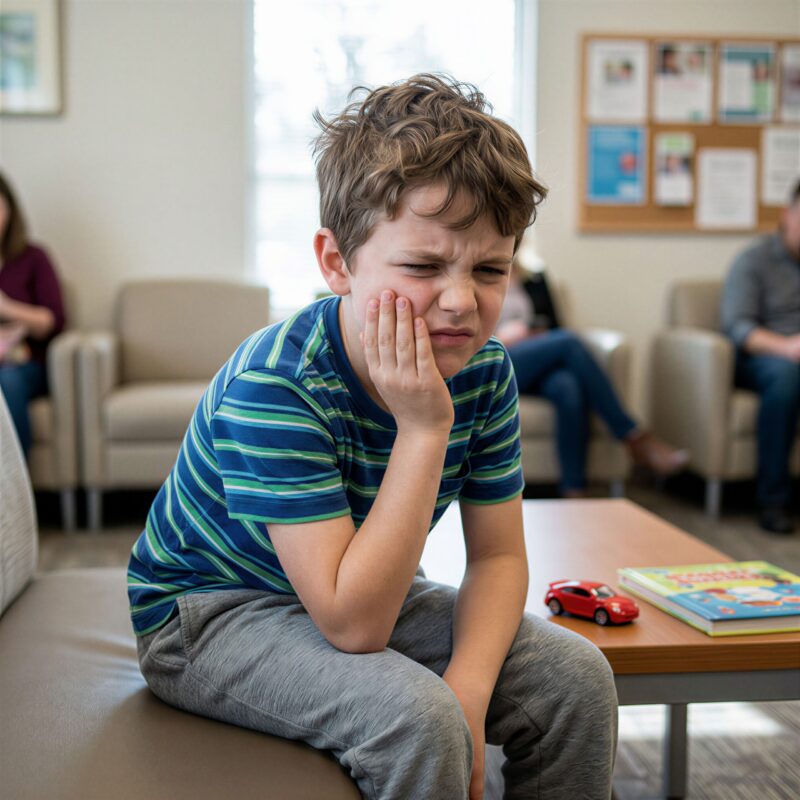
Emergency dentistry for kids in Dripping Springs matters, even when the injured tooth is a baby tooth. “It will fall out anyway” sounds reasonable at first. Why treat a tooth that won’t stay forever? That belief can lead parents to overlook pain, infection, or an injury that needs prompt attention.
Baby teeth do more than fill a temporary space. They help children chew, speak, and guide adult teeth into place. They matter now.
At Central Park Pediatric Dentistry, we help families understand what needs attention and what can wait. We serve families through our Central Austin and Dripping Springs, TX, locations. Here’s what parents should know before deciding that a baby tooth injury isn’t serious enough to call about.
What Is Emergency Dentistry for Kids in Dripping Springs?
Emergency dental care for children involves evaluating and treating urgent tooth or mouth problems. These include injuries, severe toothaches, swelling, and teeth that loosen unexpectedly. The goal is to ease pain, address damage, and protect oral health.
Not every accident requires the same response. We ask what happened, when symptoms started, and whether your child has swelling or bleeding. Those details help us guide your next step.
Some symptoms need emergency medical care, not a dental appointment. Call 911 for trouble breathing or swallowing. Seek emergency medical care for uncontrolled bleeding or a significant head injury. Don’t wait.
For tooth injuries without those warning signs, call promptly. Early guidance can prevent a stressful guessing game.
Why Can’t a Hurt Baby Tooth Wait?
A baby tooth can develop an infection after decay or injury. That infection can spread beyond the tooth and may affect the developing adult tooth beneath it. Pain can also disrupt meals, sleep, and school.
Still, an injury doesn’t always mean your child needs extensive treatment. We examine the tooth, gums, and bite before recommending care. Sometimes monitoring makes sense. Other situations call for restorative dental care or removal of a tooth that we can’t safely preserve.
The difference depends on the injury and your child’s development. Timing matters.
A tooth that looks fine may still need evaluation. Call if your child’s tooth changes color, feels loose after an accident, or develops a nearby gum bump.
What Should You Do After a Tooth Injury?
Stay calm and check for serious injuries first. Then call for emergency dental care. Tell us whether the tooth is a baby tooth or an adult tooth.
Use these steps while arranging care:
- Knocked-out baby tooth: Never push it back into place. Reinserting it could harm the developing adult tooth.
- Knocked-out adult tooth: Hold the crown, not the root. Don’t scrub it. Keep it moist in milk and seek immediate dental care.
- Broken tooth: Save any pieces and bring them along. Gently rinse the mouth with water.
- Bleeding or swelling: Apply gentle pressure with clean gauze. Use a cold compress outside the cheek.
Don’t delay. A knocked-out adult tooth needs especially fast attention.
What Are Five Benefits of Prompt Care?
Prompt evaluation doesn’t guarantee that we can save every tooth. It does help us understand the problem and choose appropriate treatment. That’s a meaningful difference when your child hurts.
Emergency dentistry for kids in Dripping Springs offers five key benefits:
- Pain relief: We look for the cause of discomfort and discuss suitable ways to manage it.
- Infection care: We check for infection and recommend treatment when needed.
- Tooth protection: Early assessment helps identify opportunities to preserve damaged teeth.
- Development checks: We consider how an injury could affect nearby tissues and developing teeth.
- Clear next steps: Parents receive guidance on treatment, home care, and follow-up visits.
What Questions Do Parents Ask About Urgent Care?
Does every chipped tooth need immediate treatment?
No. A small chip without pain may not require immediate treatment. Still, call us for guidance, especially after a fall. Deeper breaks or bite changes deserve prompt assessment.
Can I give my child pain medicine?
Ask about an age-appropriate medicine and dose. Follow label instructions and your child’s health care clinician’s guidance. Never place aspirin directly on a tooth or gum.
What if the pain goes away?
Less pain doesn’t always mean the problem has resolved. Report swelling, fever, or a gum bump even without pain.
We welcome questions about your child’s dental care. Tell us what you notice, even if the details seem small.
Ready to Get Help for Your Child?
You don’t need to know the diagnosis before calling us. Describe the injury, explain your child’s symptoms, and tell us when everything started. Mention any medical conditions or medicines, too. We’ll help you understand the next step without expecting you to sort it out alone.
Our team includes Dr. Daniel Johnson and Dr. Adam Parker. At Central Park Pediatric Dentistry, we explain our recommendations and leave room for your questions. You deserve clarity.
Whether your family visits Central Austin or our Dripping Springs, TX, office, don’t dismiss an injury because it involves a baby tooth. Contact our team promptly about urgent symptoms. Call today to arrange your child’s evaluation and get guidance.